
Use routes and dependencies to make a complicated board feel smaller.
Find the anchors
Look for fixed endpoints, blocked spaces and connections that have very few alternatives. These details give you anchors even when the rest of a board looks open. Start with the information you can explain.
In a connection puzzle, a corner or narrow passage may constrain the route more than a large empty area does. Notice those limits before drawing a long path.
Ask what each move prevents
A move can be valid on its own and still make the full board impossible. Before committing, ask which other goal needs the space you are about to use. This is a useful way to think about dependencies.
If the game offers undo, use it to compare alternatives. Avoid changing several unrelated connections at once when one early decision appears to cause the blockage.
Try the destination first
When the beginning has too many possibilities, inspect the end. A destination with only one available approach gives you a forced section to work backward from. You can then focus on joining your start to that section.
Check for rules that make the direction matter. One-way tiles, changing pieces and timed movement can mean a route that looks possible on a still board behaves differently in play.
Explore two kinds of connection
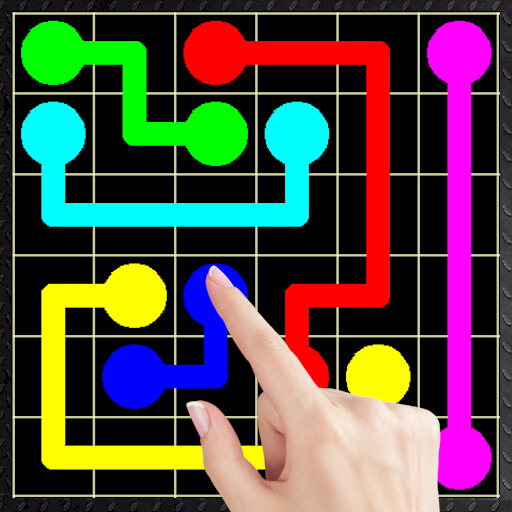
Read about Plumber Pipe and Link Line Puzzle. Look for the endpoints and narrow spaces in each game.
After a failed attempt, describe the bottleneck in one sentence. Giving the problem a name can make the next attempt easier to plan.